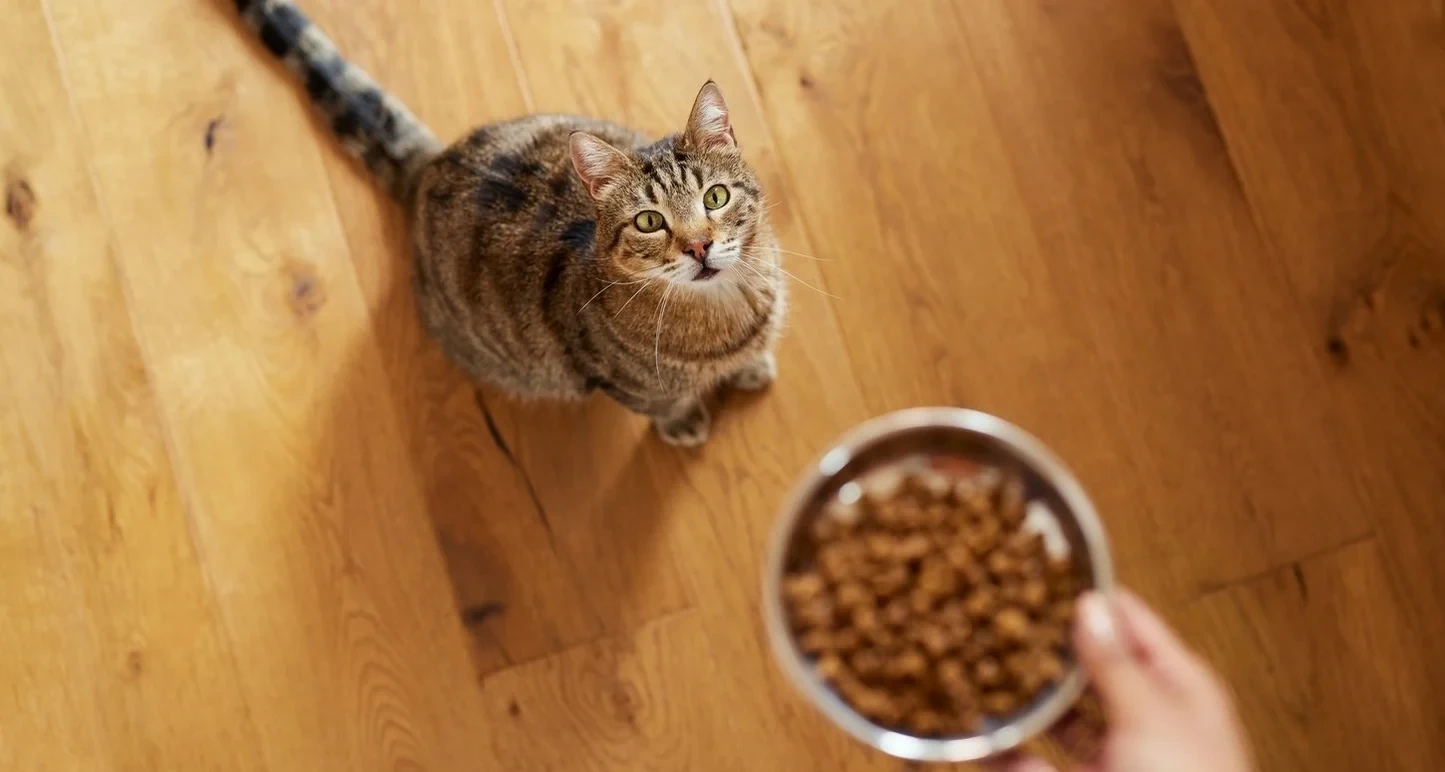
Cat food for urinary health is one of the most important dietary decisions you can make for your cat — and one that most owners only think about after their cat has already experienced a urinary problem. Feline Lower Urinary Tract Disease (FLUTD) affects an estimated 1–3% of cats each year and is one of the most common reasons cats are brought to the vet. The good news is that diet is the single most powerful tool for preventing urinary disease, managing existing conditions, and reducing the likelihood of recurrence. This guide covers everything you need to know: what causes feline urinary problems, exactly what to look for in cat food for urinary health, what to avoid, and the natural supplements that provide additional support.
Understanding the Feline Urinary System
The feline urinary system consists of the kidneys, ureters, bladder, and urethra. The kidneys filter waste from the blood and produce urine, which travels through the ureters to the bladder for storage before being expelled through the urethra. In a healthy cat this system operates efficiently — but it is vulnerable to several conditions that diet directly influences.
Cats evolved as desert animals with a naturally low thirst drive. Their kidneys are exceptionally efficient at concentrating urine — a biological adaptation that allowed their wild ancestors to survive on minimal water. In a domestic setting, this efficiency becomes a liability: when cats eat dry food and drink insufficient water, their urine becomes highly concentrated. Highly concentrated urine increases the risk of crystal formation, bladder inflammation, and urethral blockage — the most serious and life-threatening urinary condition in cats.
Male cats face significantly higher urinary risk than females due to their anatomy. The male feline urethra is long and narrow — far more easily blocked by crystals, mucus plugs, or inflammation than the shorter, wider female urethra. Urethral blockage in male cats is a veterinary emergency that can be fatal within 24–48 hours without treatment.
Emergency warning: A male cat visiting the litter tray repeatedly without producing urine, crying out in pain, licking his genitals obsessively, or showing signs of distress is likely experiencing a urethral blockage. This is a life-threatening emergency — go to a vet immediately, do not wait. Every hour without treatment increases the risk of permanent kidney damage and death.
Common Feline Urinary Conditions
Several distinct conditions affect the feline urinary tract — each with different causes, symptoms, and dietary requirements. Understanding which condition your cat has is essential for choosing the right cat food for urinary health.
The most common feline urinary condition — accounting for around 60% of FLUTD cases. Inflammation of the bladder wall with no identifiable infectious cause. Primarily stress-driven. Symptoms include straining to urinate, blood in urine, and frequent trips to the litter box. Diet and stress management are the cornerstones of prevention and management.
Crystals formed from magnesium, ammonium, and phosphate that precipitate in alkaline urine. The most common crystal type in cats under 7. Often associated with urinary tract infections (UTIs) and high-magnesium diets. Dissolved with acidifying prescription diets. Prevention focuses on hydration and controlled mineral intake.
Crystals that form in acidic urine — increasingly common particularly in older cats and certain breeds including Persians and Himalayans. Unlike struvite, calcium oxalate crystals cannot be dissolved with diet alone and often require surgical removal. Prevention focuses on adequate hydration and avoiding excessive dietary calcium and oxalate.
Complete or partial obstruction of the urethra by crystals, mucus plugs, or inflammatory debris. Almost exclusively affects male cats. A complete blockage is fatal without emergency treatment. Cats that have experienced one blockage are at high risk of recurrence — ongoing dietary management and stress reduction are essential for prevention.
Bacterial infections of the bladder or urethra — less common in cats than dogs but more frequent in older cats and those with diabetes or CKD. Symptoms mirror other FLUTD conditions. Confirmed by urine culture. Treated with antibiotics alongside dietary support to improve hydration and urine flow.
Solid mineral formations in the bladder — essentially large aggregations of crystals. Struvite stones can sometimes be dissolved with prescription diets. Calcium oxalate stones require surgical or non-surgical removal. Prevention is identical to crystal prevention: high hydration, appropriate mineral balance, and correct urine pH management.
Warning Signs of Urinary Problems in Cats
Because cats are stoic and because many urinary symptoms are subtle in the early stages, knowing what to look for is essential. Check litter box behaviour daily — changes here are often the earliest indicator of urinary problems.
- Straining to urinate with little or no output
- Frequent trips to the litter box
- Blood in the urine (pink or red tinge)
- Urinating outside the litter box
- Crying or vocalising when urinating
- Excessive licking of the genital area
- Strong or unusual odour from urine
- Lethargy or loss of appetite
- Distended or hard abdomen
- Vomiting alongside urinary symptoms
Any combination of straining, frequent trips with little output, and blood in urine should be treated as urgent — book a same-day vet appointment. In male cats, complete inability to urinate is an emergency requiring immediate care regardless of time of day or night.
What Matters Most in Cat Food for Urinary Health
Five dietary factors have the greatest impact on feline urinary health. Getting these right is the foundation of long-term urinary tract protection.
1. Moisture Content — The Most Critical Factor
Hydration is everything in feline urinary health. Dilute urine is the most effective protection against crystal formation, bladder inflammation, and urethral blockage. The more water a cat consumes, the more frequently they urinate — flushing the bladder and preventing the accumulation of the minerals and inflammatory cells that cause problems.
Wet food containing 70–80% moisture produces significantly more dilute urine than dry food containing around 10% moisture. Studies consistently show that cats eating wet food exclusively have lower urine specific gravity — a key measure of urine concentration — than cats eating dry food. For any cat with a history of urinary problems, wet food is non-negotiable. For healthy cats, it is the most impactful preventative dietary choice available.
2. Controlled Magnesium and Phosphorus
Excess dietary magnesium is directly linked to struvite crystal formation in cats. Look for cat food for urinary health with magnesium levels below 0.1% on a dry matter basis. Phosphorus management is important for overall urinary and kidney health — avoid foods with added phosphate preservatives, which artificially inflate phosphorus content beyond the natural level in the protein source.
3. Urine pH Acidification
Struvite crystals form in alkaline urine (pH above 6.8). A diet that maintains slightly acidic urine (pH 6.0–6.5) significantly reduces struvite crystal risk. High-protein, meat-based diets naturally acidify urine — one of many reasons why a high-quality animal protein diet is inherently better for feline urinary health than a grain or plant-heavy diet. Avoid foods with excessive plant proteins or grain fillers that alkalise urine.
4. High-Quality Animal Protein
Cats are obligate carnivores. High-quality animal protein from named meat sources supports normal urinary pH, provides the amino acids needed for healthy bladder wall tissue, and supports overall immune function that protects against urinary tract infections. Plant-based proteins are poorly utilised by the feline system and leave a more alkaline urinary environment.
5. Low Sodium
While some older research suggested high sodium increased water intake and thus helped urinary health, current veterinary consensus does not support adding excessive sodium to cat food. High sodium is associated with hypertension and kidney stress. Moderate, natural sodium levels from meat sources are appropriate — avoid foods with added salt.
Support your cat’s urinary health naturally
Browse our range of natural urinary health supplements for cats at MyHealthyPet.
Cat Food for Urinary Health — What Works & What to Avoid
| Ingredient / Feature | Effect on Urinary Health | Verdict |
|---|---|---|
| High moisture wet food (70%+) | Dilutes urine, flushes bladder, prevents crystal formation | ✓ Essential |
| Named animal protein (chicken, turkey, salmon) | Acidifies urine naturally, supports bladder wall integrity | ✓ Excellent |
| Low magnesium (<0.1% DM) | Reduces struvite crystal formation risk significantly | ✓ Important |
| Controlled phosphorus | Supports urinary and kidney health simultaneously | ✓ Important |
| Added cranberry extract | Prevents bacterial adhesion to bladder wall — reduces UTI risk | ✓ Beneficial |
| Omega-3 fatty acids | Reduces bladder wall inflammation — supports FIC management | ✓ Beneficial |
| Dry food as primary diet | Produces highly concentrated urine — major risk factor for all FLUTD | ✗ Avoid as primary diet |
| High grain / plant protein content | Alkalises urine, promotes struvite crystal formation | ✗ Avoid |
| Added phosphate preservatives | Artificially elevates phosphorus load — stresses kidneys and urinary system | ✗ Avoid |
| Added salt / high sodium | Elevates blood pressure — stresses kidney filtration over time | ✗ Avoid |
| Artificial colours and preservatives | Increase systemic inflammation and oxidative load on the urinary system | ✗ Avoid |
| Prescription urinary wet food | Formulated specifically for pH control and mineral balance | ~ Good with vet guidance |
Common Myths About Cat Urinary Health and Diet
“Dry urinary health food is just as good as wet food for urinary problems.”
Even prescription dry urinary food cannot compensate for critically low moisture content. Wet food is fundamentally superior for urinary health — the hydration benefit outweighs any mineral formulation advantage of a dry diet.
“My cat drinks from the water bowl so they’re getting enough hydration.”
Cats on dry food rarely compensate fully for the moisture deficit through drinking. Studies show cats on wet food consume significantly more total moisture daily than cats on dry food even when both have free water access.
“Once a blockage is treated, no further dietary changes are needed.”
Cats that have experienced a urethral blockage have a high recurrence rate without permanent dietary management. Switching to wet food and managing stress are lifelong requirements for post-blockage cats — not temporary measures.
“All urinary crystals are the same and need the same diet.”
Struvite and calcium oxalate crystals require opposite dietary approaches in some respects. Getting the crystal type confirmed by your vet before making major dietary changes is essential — the wrong diet can make the wrong crystal type worse.
“Fish-based food is best for cats with urinary problems.”
Fish is high in magnesium and phosphorus — both problematic for urinary health in excess. Poultry-based wet foods (chicken, turkey) are generally better choices for urinary health than fish-heavy diets. Fish in moderation is fine but should not be the primary protein for FLUTD-prone cats.
“Stress has nothing to do with cat urinary problems.”
Feline Idiopathic Cystitis — the most common urinary condition — is primarily stress-driven. Environmental stress directly triggers bladder inflammation in susceptible cats. Diet and stress management must be addressed together for effective FLUTD prevention.
Maximising Hydration for Urinary Health
Beyond choosing the right cat food for urinary health, these strategies help ensure your cat stays as well hydrated as possible — dramatically reducing urinary risk:
- Switch to wet food as the primary diet. This is the single most impactful change. Wet food providing 70–80% moisture is the closest dietary equivalent to the natural prey diet that wild cats evolved eating. For cats with a history of urinary problems, wet food only — no dry — is the gold standard.
- Add a cat water fountain. Moving water is significantly more appealing to cats than still water — mimicking the running water sources they instinctively favour in the wild. Many cats that drink minimally from a bowl will drink substantially from a fountain. For FLUTD-prone cats this is a genuine health intervention, not a luxury.
- Provide multiple water stations. Place water bowls in at least 3–4 locations around the home — well away from food bowls. Cats instinctively avoid water near their food source (associating it with prey contamination). More stations mean more drinking opportunities.
- Use wide, shallow bowls. Deep or narrow bowls cause whisker fatigue — the discomfort of sensitive whiskers touching the bowl sides — which discourages drinking. Wide, shallow ceramic or stainless steel bowls are consistently preferred and increase intake.
- Add water or broth to food. Adding a tablespoon of warm water or low-sodium chicken broth to wet food increases moisture intake further and encourages food consumption. Particularly useful for cats that eat slowly or incompletely.
- Change water twice daily. Cats are highly sensitive to water freshness and will drink less from stale water. Changing water morning and evening maintains palatability and encourages regular drinking throughout the day.
Natural Supplements for Cat Urinary Health
Alongside the right cat food for urinary health, targeted supplementation can reduce bladder inflammation, prevent bacterial adhesion, support the bladder wall lining, and address the stress component of FIC. These are the supplements with the strongest evidence for feline urinary health.
Cranberry’s active compounds — proanthocyanidins (PACs) — prevent bacteria from adhering to the bladder wall, reducing the risk of urinary tract infections. Studies support cranberry supplementation for reducing UTI frequency in cats prone to recurrent infections. Look for standardised PAC content rather than raw cranberry powder, which has variable potency. Cat-specific dosing is important — use veterinary-formulated supplements only.
Shop Cranberry →EPA and DHA reduce the bladder wall inflammation that drives Feline Idiopathic Cystitis — the most common urinary condition in cats. Omega-3s also support kidney function, which directly influences urinary health, and reduce the systemic inflammatory response that increases susceptibility to recurrent FLUTD episodes. Cat-specific marine-source omega-3s are essential — cats cannot convert plant-based ALA into usable EPA and DHA.
Shop Omega-3 →Since FIC is primarily stress-driven, calming supplementation is genuinely therapeutic — not just behavioural. L-theanine promotes calm without sedation by modulating GABA activity. Valerian root and chamomile provide additional calming support. Reducing the frequency and severity of stress episodes in FIC-prone cats directly reduces the frequency of urinary flare-ups. Particularly valuable in multi-cat households or during environmental changes.
Shop Calming Supplements →A naturally occurring simple sugar that works similarly to cranberry — binding to bacteria in the urinary tract and preventing them from adhering to the bladder wall. D-mannose is particularly effective against E. coli, one of the most common UTI-causing bacteria in cats. Unlike antibiotics, it has no impact on beneficial gut bacteria and can be used long-term as a preventative in cats prone to recurrent UTIs.
Shop D-Mannose →The gut microbiome influences urinary health through the gut-bladder axis — a recently identified pathway by which gut bacteria affect immune response and inflammation in the urinary tract. Cat-specific probiotics support a healthy gut microbiome that modulates the immune and inflammatory responses driving FIC. Particularly important for cats recovering from urinary infections that required antibiotic treatment, which disrupts the gut microbiome significantly.
Shop Probiotics →The bladder wall is lined with a glycosaminoglycan (GAG) layer — a protective coating that prevents bacteria and crystals from directly contacting and irritating the bladder lining. In cats with FIC and recurrent cystitis, this protective layer is compromised. Hyaluronic acid and other GAG precursors support the repair and maintenance of this lining, reducing the frequency and severity of bladder inflammation episodes in susceptible cats.
Shop Bladder Support →Not sure which urinary supplement is right for your cat?
Contact our team at MyHealthyPet — we’ll help you find the right products for your cat’s specific needs.
Managing Stress for Urinary Health
For cats with FIC — the most common urinary condition — stress management is as important as diet. No amount of dietary optimisation fully compensates for a chronically stressed cat. These environmental changes make a measurable difference to FIC recurrence rates:
- Provide multiple litter trays — at least one per cat plus one extra. Inadequate tray provision is one of the most consistent environmental stressors for cats and a direct trigger for FIC flares.
- Keep litter trays scrupulously clean — scoop at least once daily. Cats that avoid a dirty tray and hold urine are at significantly higher risk of crystal formation and bladder irritation.
- Provide vertical space — cat trees, shelves, and window perches allow cats to retreat from perceived threats and self-regulate stress. Particularly important in multi-cat households where territorial tension is a common stressor.
- Maintain a consistent routine — feeding times, cleaning schedules, and social interaction patterns. Unpredictability is a significant stressor for cats.
- Use feline pheromone diffusers — synthetic feline facial pheromones have demonstrated effectiveness in reducing stress-related behaviours in cats. Useful during house moves, new pet introductions, or other environmental changes.
- Ensure each cat has their own resources — in multi-cat homes, resource competition (food, water, trays, sleeping spots) is a primary stressor. Separate, duplicated resources per cat significantly reduce territorial tension.
The Bottom Line
Cat food for urinary health starts with one fundamental principle: wet food and adequate hydration are the foundation of everything. No prescription mineral balance, no supplement, and no dietary formulation can compensate for the chronic dehydration of a cat eating primarily dry food. If your cat eats dry food and has had any urinary issue — switch to wet food now. It is the single most impactful change you can make.
Beyond hydration, choose high-quality animal protein, controlled magnesium and phosphorus, and avoid artificial additives and grain fillers. For cats with a history of urinary problems, targeted supplementation with cranberry, omega-3s, and calming support addresses the three primary drivers of recurrence — bacterial adhesion, inflammation, and stress. And for FIC cats especially, environmental stress management is not optional — it is a central pillar of management alongside diet.
At MyHealthyPet, we stock only natural, quality products chosen because we’d trust them with our own animals. Browse our cat urinary health supplement range or contact us if you need help finding the right products for your cat — we’re always happy to help.