Probiotics for cats are becoming more popular with owners who want to support digestion, reduce tummy upsets, and help their cats feel better day to day. But do probiotics really help, or are they just another pet supplement trend? The truth is that a healthy gut plays a big role in digestion, stool quality, nutrient absorption, and even immune function. In this guide, we cover what probiotics for cats actually are, whether cats really need them, when they may help with loose stool or digestive problems, and what to look for in a high-quality product from a trusted gut and digestion range.
What Are Probiotics for Cats?
Probiotics for cats are beneficial live microorganisms that help support balance in the digestive system. In simple terms, they are “good bacteria” that live in the gut and help keep digestion working smoothly. When the balance of gut bacteria is disrupted by stress, diet changes, illness, antibiotics, or digestive sensitivity, some cats may start to show signs of tummy trouble.
That is why many owners turn to probiotics for cats as a gentle daily support option. These products are designed specifically for feline digestion and are often used to help maintain normal stools, support a healthier gut environment, and make digestive function more stable over time.
Do Cats Really Need Probiotics?
Not every cat needs probiotics all the time, but many cats can benefit from them in certain situations. Indoor cats, cats with sensitive stomachs, cats that experience loose stool from time to time, and cats recovering after antibiotics are all common examples. Even a healthy cat may sometimes benefit from extra gut support during periods of change.
If your cat has frequent digestive upsets, inconsistent litter box stools, or seems more sensitive than average, probiotics for cats may be worth considering. They are not a cure-all, but they can be a useful part of a broader routine that includes good food, hydration, and appropriate vet guidance when needed.
- Loose stool or inconsistent stools
- Digestive sensitivity after food changes
- Tummy upset after stress
- Digestive issues after antibiotics
- Occasional bloating or gas
- Poor appetite linked to tummy discomfort
- Recurring soft stool in kittens or adults
- Sensitive digestion with new foods
- General digestive imbalance
- Need for extra gut and immune support
Important: Probiotics for cats can be very helpful for mild digestive support, but if your cat has severe diarrhoea, vomiting, blood in the stool, rapid weight loss, or signs of dehydration, you should speak to a vet first.
What Are the Benefits of Probiotics for Cats?
The main reason people use probiotics for cats is digestion, but the benefits may go beyond stool quality alone. A healthier gut environment can influence how food is digested, how nutrients are absorbed, and how comfortable a cat feels after meals.
Can Probiotics Help Cats With Digestion Problems?
Yes, probiotics for cats are often used when a cat has recurring digestive sensitivity. They may help support a better bacterial balance in the gut, which can be useful for cats dealing with mild digestive problems, especially when those issues are connected to diet changes, stress, or recovery after medication.
Are Probiotics Good for Cats With Loose Stool?
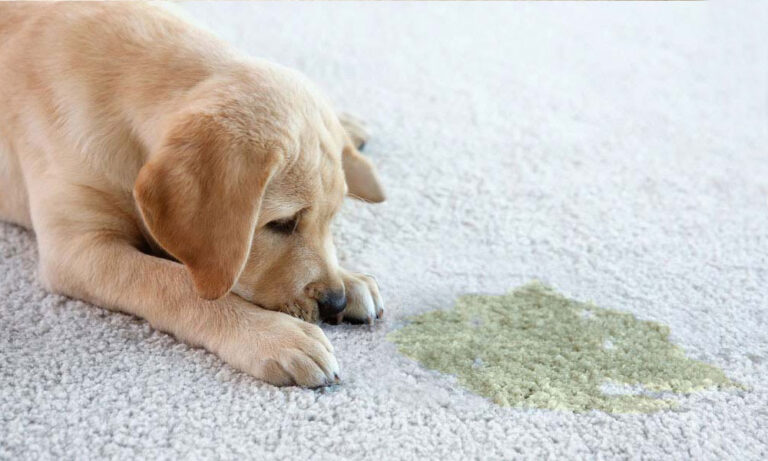
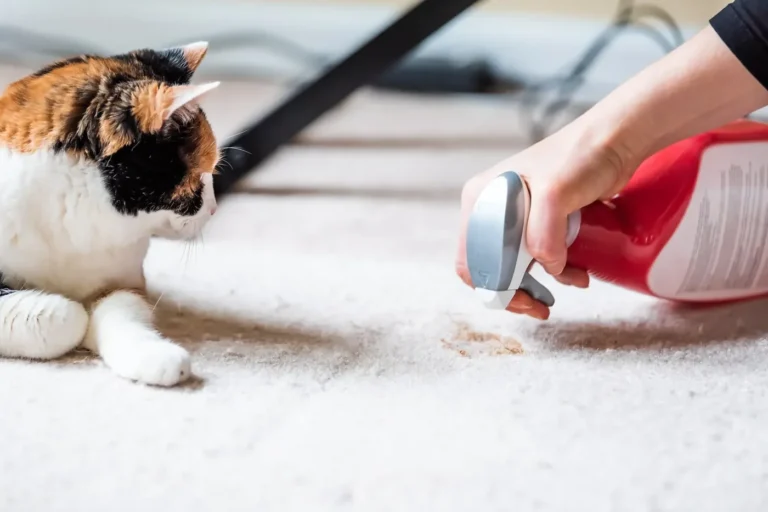
Loose stool is one of the most common reasons owners buy probiotics for cats. While they are not the answer to every case, they can be a practical support tool when soft stools are linked to digestive imbalance rather than a more serious medical problem.
| Benefit | How It Helps | Status |
|---|---|---|
| Digestive balance | Supports a healthier gut environment | ✓ Key Benefit |
| Loose stool support | May help normalise stool consistency | ✓ Common Use |
| After antibiotics | Helps rebuild healthy gut bacteria | ✓ Very Useful |
| Immune support | A healthy gut is linked to immune function | ✓ Helpful |
| Stress-related tummy issues | May support cats during routine changes | ✓ Helpful |
| Severe illness alone | Not a replacement for vet care | ✗ Not Enough Alone |
Looking for a gentle digestive support option?
Explore our specialist probiotics for cats and broader gut and digestion support range.
Can Kittens Take Probiotics?
In many cases, kittens can take probiotics, but only if the product is appropriate for their age and size. Kittens have sensitive digestive systems and can be more prone to loose stools during weaning, food transitions, and stressful changes like moving home. That is why some owners use probiotics for cats even at a younger life stage.
However, kittens are also more vulnerable to dehydration and infection, so digestive symptoms in a young kitten should never be ignored. If a kitten has frequent diarrhoea, poor appetite, or seems unwell, it is better to speak with a vet before starting any supplement.
How Long Does It Take for Probiotics to Work in Cats?
This depends on why you are using them. Some cats with mild digestive imbalance may show improvement in a few days, while others need a few weeks of consistent daily use before owners notice a real difference. Gut balance does not usually change overnight.
If you are using probiotics for cats after antibiotics or ongoing soft stool, it is usually best to stay consistent and give the product enough time to work. Many owners expect instant results, but digestive support is often about gradual improvement rather than one dramatic change.
Pro tip: When starting probiotics for cats, give them consistently for at least 2 to 4 weeks unless your vet advises otherwise. The digestive system often needs time to rebalance properly.
Can Cats Take Human Probiotics?
This is a very common question. In general, it is better to use probiotics made specifically for cats rather than human probiotics. Human formulas may use different bacterial strains, different strengths, or added ingredients that are not ideal for cats. Some also come in forms that are harder to give safely to a pet.
If you want the best chance of a good result, choose a product created for feline digestion, such as a dedicated cat probiotic. Cat-specific products are more practical, easier to dose, and better aligned with what owners actually need.
What Is the Difference Between Probiotics and Prebiotics for Cats?
Probiotics are the beneficial bacteria themselves. Prebiotics are the fibres or compounds that help feed and support those beneficial bacteria. In other words, probiotics add good bacteria to the gut, while prebiotics help those bacteria survive and thrive.
Many high-quality gut products include both. That is one reason the gut and digestion category can be so useful for owners looking at complete support instead of a single ingredient approach.
These are the beneficial live bacteria used to help support digestive balance, stool quality, and a healthier gut environment.
View cat probiotics →These help feed the good bacteria in the gut and are often combined with probiotics for more complete digestive support.
Browse digestion support →Some cats do best with powders mixed into food, while others may use capsule contents sprinkled over meals.
Shop all products →The right routine may support digestion, stool consistency, and even a cat’s broader wellness over time.
Visit MyHealthyPet →What Should You Look for in a Good Cat Probiotic?
Not all probiotics for cats are equal. A good product should be easy to use, made for cats, and designed with digestive support in mind rather than generic marketing claims.
- Clearly labelled as suitable for cats
- Easy daily format that fits into your cat’s routine
- Useful for digestion, loose stool, or gut support
- Simple administration, especially for picky cats
- Made by a pet-focused brand or sold in a specialist pet store
- Part of a wider gut and digestion support collection
Are Probiotic Powders, Capsules, or Chews Better for Cats?
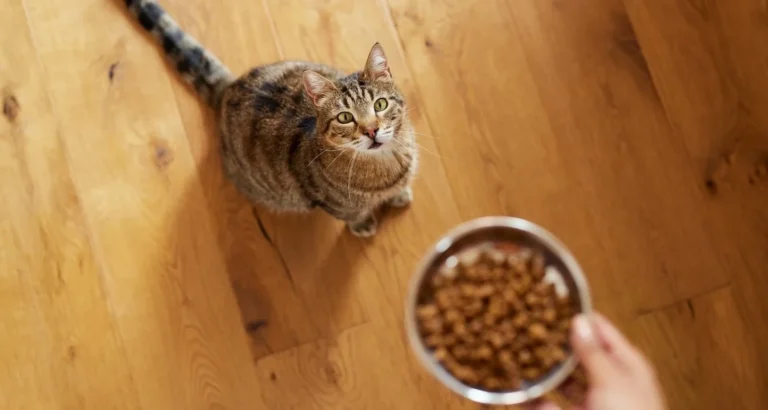
The best format depends on your cat. Powders are often the easiest because they can be mixed into wet food. Capsules may work well if they can be opened and sprinkled. Chews can be convenient in theory, but many cats are fussier than dogs, so not every cat will accept them willingly.
For many owners, the best probiotics for cats are simply the ones their cat will actually take consistently. Practicality matters just as much as the formula.
Can Probiotics Support a Cat’s Immune System?
Yes, potentially. A large part of immune activity is connected to the gut, which is one reason probiotics for cats are often discussed in relation to more than just digestion. A healthier gut environment may support broader wellbeing, especially in cats that are sensitive, stressed, or recovering from disruption.
This does not mean probiotics replace proper nutrition or veterinary care, but it does explain why gut support is often seen as part of a more complete health routine.
Are There Any Side Effects of Probiotics for Cats?
Most cats tolerate probiotics well, especially when they are introduced gradually and used in a cat-appropriate format. Occasionally, some cats may show mild digestive changes at the start, such as temporary gas or a short adjustment period in stool consistency.
If symptoms worsen rather than improve, stop using the product and speak to a vet. This is especially important if your cat already has a medical condition or is on other treatment.
Should You Give Probiotics to Cats Every Day?
Many probiotic products for cats are intended for daily use, especially when they are being used for ongoing digestive balance. Daily use is often what gives the gut enough consistency to benefit from the support. However, the right frequency depends on the specific product and the reason you are using it.
If your cat has a recurring digestive issue, daily probiotics for cats may make more sense than occasional use. For short-term issues, some owners use them during transitions, stressful periods, or recovery phases.
Want a simple daily option for feline digestion?
See our cat probiotic product and explore the wider gut and digestion range for cats.
When Should You Speak to a Vet Before Giving Your Cat Probiotics?
You should speak to a vet first if your cat has severe diarrhoea, repeated vomiting, blood in the stool, signs of pain, major appetite loss, ongoing weight loss, or dehydration. The same is true for very young kittens, elderly cats with other health concerns, or cats already taking medication for digestive disease.
Probiotics for cats are best seen as supportive, not as a replacement for proper diagnosis when something serious may be going on. Used in the right situation, though, they can be a very useful tool for helping cats feel more settled and comfortable digestively.
The Bottom Line
Probiotics for cats can absolutely be helpful for the right cat in the right situation. They may support digestion, loose stool, recovery after antibiotics, and a healthier gut balance overall. They may also offer broader benefits because gut health is closely linked to immune function and general wellbeing.
If you are looking for a simple, cat-specific option, take a look at our probiotics for cats product, or explore the full gut and digestion collection for more digestive support options. You can also browse the wider shop or visit MyHealthyPet to find the right products for your cat’s daily health routine.