How to Choose the Right Dog Supplements UK
Walk into any pet shop or search online and you’ll find dozens of dog supplements UK owners are told they need — but the truth is, the right supplement depends entirely on what your dog is currently dealing with or what you want to prevent. Age, breed, size, and existing health conditions all play a role. The most effective approach is to start with your dog’s specific concern, then find the supplement formulated around it.
Joint Pain & Mobility Issues
Limping after walks, struggling with stairs, or stiffness after rest are the clearest signs your dog needs joint support. The most effective dog supplements UK vets recommend for joints combine glucosamine, chondroitin, and MSM — with marine omega-3s for inflammation. Essential for large breeds and dogs over 6.
Joint Care for DogsGut Health & Digestive Issues
Loose stools, bloating, excessive wind, or a sensitive stomach after meals all point to gut microbiome imbalance. Probiotic and prebiotic dog supplements UK dogs tolerate well restore balance to the digestive system and strengthen the gut lining — often improving symptoms within 1–2 weeks.
Dog Gut Health GuideEar Health & Recurring Infections
Dogs prone to ear infections often have an underlying immune or inflammatory issue. Omega-3 fatty acids and immune-supporting dog supplements UK owners use as prevention can reduce the frequency of flare-ups significantly, especially in breeds with floppy ears or those prone to allergies.
Dog Ear Infection CareDental & Oral Health
Bad breath, yellow tartar build-up, or reluctance to chew hard food signals oral health problems. Targeted dental dog supplements UK pet owners rely on — particularly water additives and chew-format supplements — help reduce plaque and bacteria without the daily brushing battle.
Dog Dental CareEye Health & Vision Support
Cloudy eyes, excessive discharge, or sensitivity to light can indicate oxidative stress affecting vision. Lutein, astaxanthin, and DHA-rich dog supplements UK owners use for eye health protect the retina and support long-term vision — particularly valuable for ageing dogs and sun-exposed breeds.
Dog Eye Health IssuesRest, Recovery & Sleep Quality
A dog that’s restless, anxious at night, or struggling to settle may benefit from calming and recovery support. Magnesium, L-theanine, and adaptogenic dog supplements UK owners use for anxiety can improve sleep quality and post-exercise recovery — especially paired with a quality orthopedic bed.
Dog Beds GuideAre Dog Supplements Essential for Senior Dogs?
As dogs age, their ability to absorb nutrients from food decreases, their joints wear down, and their immune system weakens. For dogs over 7, targeted supplementation isn’t optional — it’s one of the most impactful things you can do for their quality of life. The best dog supplements UK senior dog owners can invest in address multiple systems simultaneously: joints, gut, cognition, and coat condition.
Priority Supplements for Senior Dogs
- Glucosamine & chondroitin for joint cartilage support
- Omega-3 (EPA & DHA) for inflammation and brain health
- Probiotics to restore gut flora affected by ageing
- Antioxidants (vitamins C & E) to reduce cellular damage
- Collagen to support skin, coat, and connective tissue
- Medium-chain triglycerides (MCTs) for cognitive support
Further Reading on Dog Supplements UK
Products by Category
-
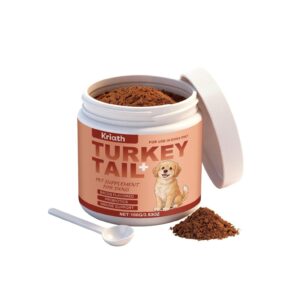
Kriath Turkey Tail+ – Turkey Tail Mushroom for Dogs with Probiotics | Bacon Flavored | 100g
£23.00 -
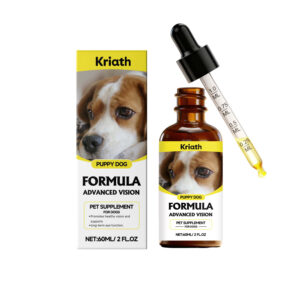
Puppy Dog Formula – Advanced Vision Formula For Dogs | Eye Support Drops | 60ml
£25.00 -
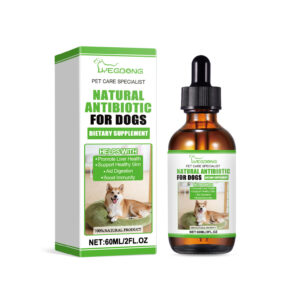
Yegbong Natural Antibiotic for Dogs – Immune, Digestion & Skin Support Drops | 60ml
£14.95 -
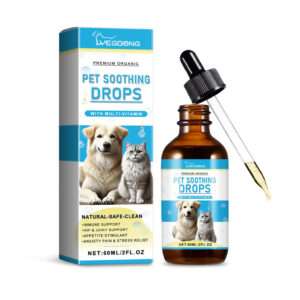
Yegbong Pet Soothing Drops – Multivitamins for Dogs UK & Cats UK | 60ml
£19.94 -

Yegbong Pets Eye Drops – Advanced Lanosterol Eye Solution | 10 ml
£15.00
Dog Supplements UK: Real Questions, Honest Answers
The questions UK dog owners actually ask — on forums, Reddit, and in vet waiting rooms — answered plainly.
It depends entirely on the supplement and the condition it targets. The scepticism is fair — the pet supplement market has plenty of under-dosed, poorly formulated products. But that doesn’t mean all supplements are ineffective. Glucosamine and chondroitin have a strong body of evidence for joint support in dogs. Omega-3 (EPA & DHA) is consistently shown to reduce inflammation, improve coat condition, and support cardiovascular health. Probiotics have solid clinical backing for digestive issues. The key is choosing supplements with clearly stated ingredient amounts, evidence-based formulations, and ideally vet input. If the label doesn’t tell you the dose of active ingredients, walk away.
For a genuinely healthy dog with no specific issues, on a properly formulated complete diet — supplements aren’t strictly necessary. UK Pet Food and most vet bodies advise against adding generic vitamins or minerals to a complete diet, as it can create imbalances (excess calcium in growing puppies, for example, can actively damage skeletal development). However, dog supplements UK vets do support for specific purposes — joint support in larger or older dogs, omega-3 for inflammatory conditions, probiotics after antibiotics — aren’t about filling nutritional gaps. They’re therapeutic additions that target specific systems beyond what standard food can address.
Based on evidence and what UK vets most commonly suggest: omega-3 fatty acids (particularly EPA and DHA from marine sources like salmon oil or green-lipped mussels) are the most widely recommended across conditions. Glucosamine and chondroitin are commonly suggested for joint disease. Probiotics — especially after antibiotic courses — are well-supported. For senior dogs, many vets also point owners towards antioxidant blends (vitamins C and E, coenzyme Q10) and MCT oil for cognitive support. The supplements least recommended without specific need are general multivitamins, which in an already-complete diet can do more harm than good.
Earlier than most people think. Many UK dog owners wait until their dog is visibly struggling — limping, reluctant to jump, slow to get up — but by that point joint cartilage has already degraded significantly. For large and giant breeds (Labradors, German Shepherds, Golden Retrievers, Rottweilers), joint supplements UK dogs respond well to can be introduced from around 12–18 months as a preventative. For mixed breeds and smaller dogs, starting from age 5–6 is a sensible preventative move. Once you’re already seeing stiffness or limping, you’re in management mode rather than prevention — which is harder and slower. Read our full joint care guide for a breed-by-breed breakdown.
It varies by supplement type. Probiotics and digestive supplements often show improvements within 1–2 weeks. Omega-3 oils tend to visibly improve coat condition and reduce skin flakiness within 3–4 weeks. Joint supplements — the ones most people are most impatient with — take the longest. Glucosamine and chondroitin need time to rebuild cartilage and reduce inflammation. Most dogs show meaningful mobility improvement between weeks 6 and 10, with full benefit at around 3 months of daily use. UK dog owners who stop after 2–3 weeks and conclude the product doesn’t work are by far the most common reason for low satisfaction reviews. Give it time and be consistent.
Most quality dog supplements UK products are safe when used as directed, but side effects do occur — usually from introducing too high a dose too quickly. Fish oil can cause loose stools if the dose is jumped straight to full amount; introduce gradually over 1–2 weeks. Probiotics can cause temporary bloating or wind in the first few days as the gut adjusts — this is normal and passes. Glucosamine is well tolerated but shouldn’t be given to dogs with shellfish allergies without checking the source. The bigger risk with dog supplements UK owners overlook is interaction with medication — supplements including omega-3, vitamin E, and turmeric can affect blood clotting, so always inform your vet if your dog is on NSAIDs or blood thinners.
Senior dogs (7+) benefit most from a stack of targeted dog supplements UK owners are increasingly using: glucosamine and chondroitin for joints, omega-3 (EPA & DHA) for inflammation and brain health, antioxidants (vitamins C and E) to combat cellular ageing, and a probiotic to support the gut flora that naturally declines with age. For dogs showing signs of cognitive decline — confusion, changed sleep patterns, seeming lost in familiar spaces — MCT (medium-chain triglyceride) oil is the most evidence-backed supplement for canine cognitive function. Don’t wait until your senior dog is struggling significantly — earlier intervention produces far better outcomes.
Fussy dogs are the most common reason UK dog owners abandon supplements entirely. The format matters enormously — if your dog refuses tablets, switch to a liquid or oil format that mixes invisibly into wet food. If they detect powder, try a soft chew format instead. The introduction method also makes a big difference: start with a quarter of the recommended dose mixed thoroughly into a small amount of their favourite food, and build up over 10–14 days. Never introduce a full dose immediately — this is the main reason dogs refuse. Meat-flavoured or salmon-flavoured supplements consistently have the highest acceptance. If your dog is on dry food only, switching to mix wet and dry during the introduction period significantly helps.
Yes — wild salmon oil is one of the safest and most universally beneficial dog supplements UK owners can give daily. It delivers EPA and DHA omega-3 fatty acids that support joint health, skin and coat condition, eye function, heart health, and immune response simultaneously. Key things to check on the label: the actual EPA and DHA content (not just “omega-3” — some products list total oil weight rather than the active fatty acids, which can be misleading), and that it’s from wild-caught sources rather than farmed. Start with half the recommended dose and build up to avoid digestive upset. Store in the fridge after opening. Our gut health guide covers how to introduce oil supplements without causing stomach issues.
For dogs with digestive issues, yes — consistently. Particularly useful after a course of antibiotics (which wipe out beneficial gut bacteria), during or after periods of stress (kennelling, travel, house moves), for dogs with recurring loose stools or sensitive stomachs, and for dogs prone to coprophagia. The evidence for probiotics in dogs is strong enough that many UK vets now actively recommend them post-antibiotics rather than leaving it to owner initiative. What matters is the strain count and whether the product contains live cultures — many cheaper options contain dead bacteria with no therapeutic benefit. Liquid formats are more bioavailable than tablets for most dogs. Read our dog gut health guide for strain-specific recommendations.